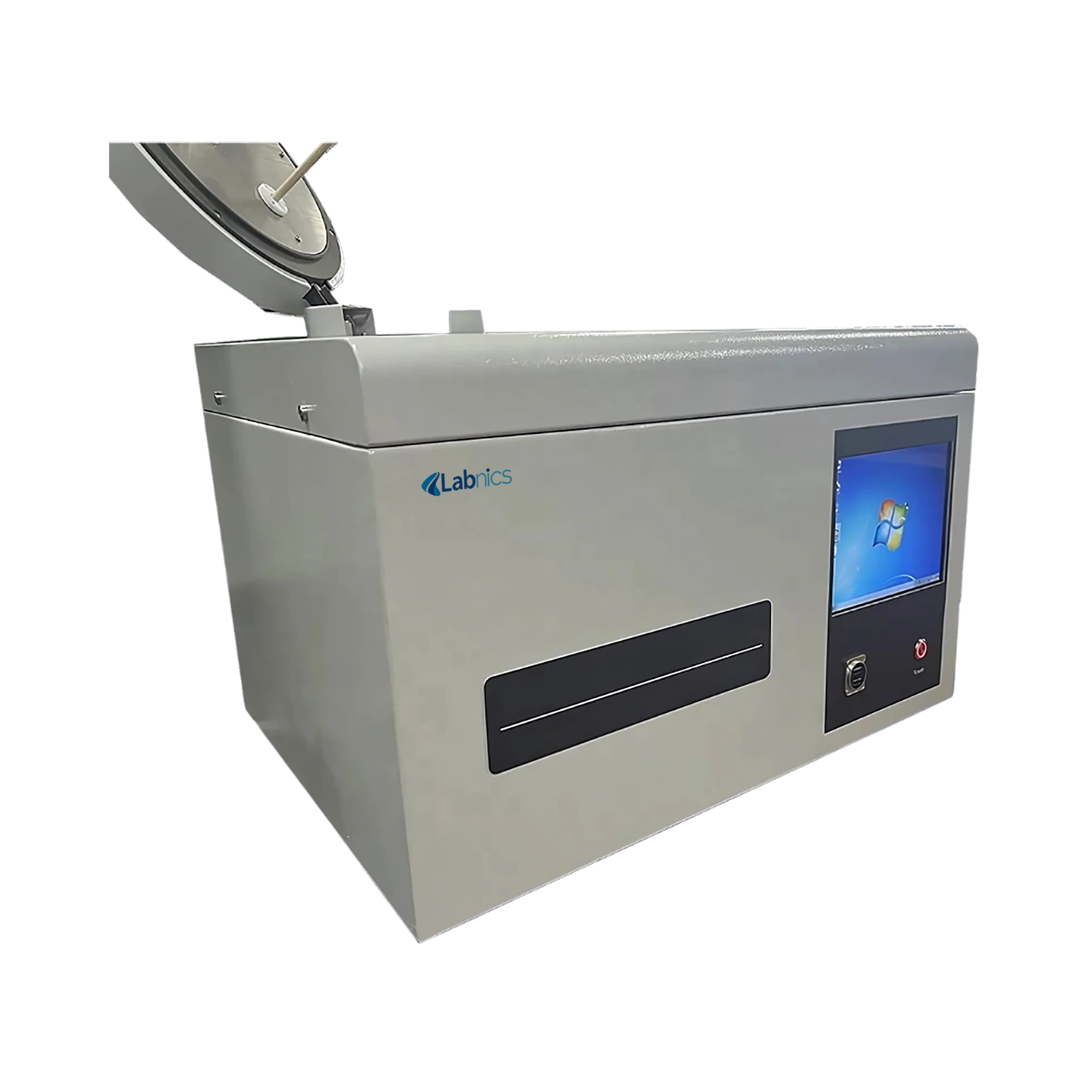
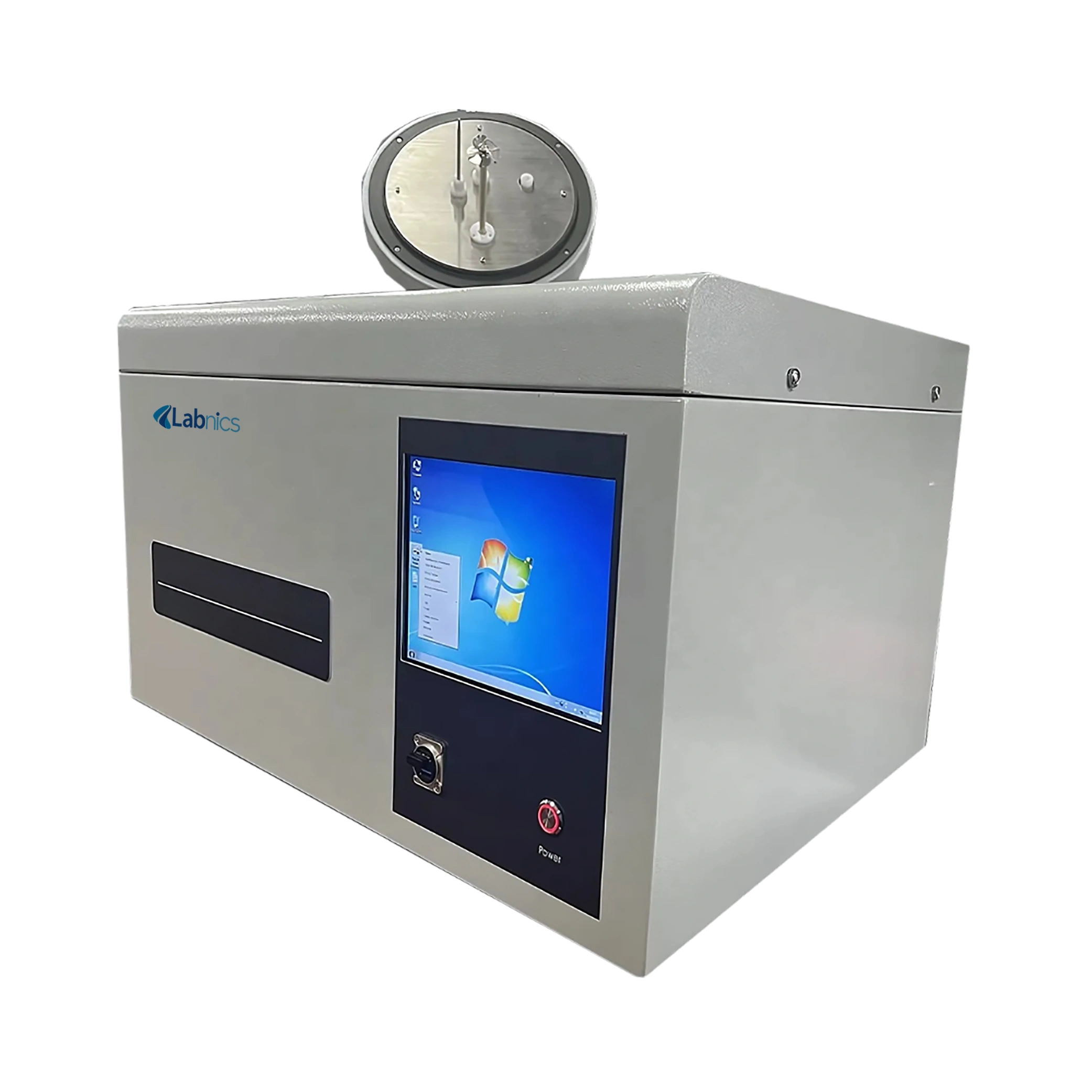
Oxygen Bomb Calorimeter NOBC-101 ensures fast and accurate calorific value testing for fuels and combustibles. It is widely used in thermal labs, industrial research units, and academic institutions.
FAQ for Oxygen Bomb Calorimeter NOBC-101
1: What is the measuring accuracy of Oxygen Bomb Calorimeter NOBC-101?
Oxygen Bomb Calorimeter NOBC-101 delivers high-precision results with excellent sensitivity for detecting small variations in calorific values
2: Is the Labnics Oxygen Bomb Calorimeter NOBC-101 fully automatic?
Yes, Labnics Oxygen Bomb Calorimeter NOBC-101 performs automated testing from start to finish without manual intervention.
3: How does Oxygen Bomb Calorimeter NOBC-101 ensure temperature stability?
Oxygen Bomb Calorimeter NOBC-101 features internal and external water stirrers to maintain a stable and uniform temperature environment.
4: What safety feature is integrated in Oxygen Bomb Calorimeter NOBC-101?
Our Oxygen Bomb Calorimeter NOBC-101 includes a sealed stainless-steel bomb tested up to 20 MPa pressure for operational safety.
5: What maintenance features are included in Oxygen Bomb Calorimeter NOBC-101?
Oxygen Bomb Calorimeter NOBC-101 incorporates a modular structure and easy-access components, enabling quick cleaning, maintenance, and part replacement.
6: What are Oxygen Bomb Calorimeters used for?
Oxygen Bomb Calorimeters are used for measuring the heat of combustion in various materials to determine their energy content accurately.
7: Labnics Oxygen Bomb Calorimeters ensure safe and consistent testing?
Labnics Oxygen Bomb Calorimeters include sealed combustion chambers and temperature-controlled environments to maintain testing reliability and safety.
8: How do Oxygen Bomb Calorimeters improve efficiency in testing?
Our Oxygen Bomb Calorimeters feature automated functions and built-in diagnostics, which streamline the testing process and reduce manual steps.
9: What materials can be analyzed using Oxygen Bomb Calorimeters?
Oxygen Bomb Calorimeters can analyze a wide range of solid and liquid combustibles, including fuels, biomass, food samples, and chemical substances.